Climate Change Impact on Water Quality
Climate change has profound effects on Penang's water systems. Rising temperatures have led to increased evaporation rates, resulting in higher concentrations of pollutants in water bodies during dry periods.
More intense rainfall events, which have increased by 15% in frequency over the past decade, cause greater surface runoff that carries pollutants from land to water bodies.
Population Growth and Urbanization Effects
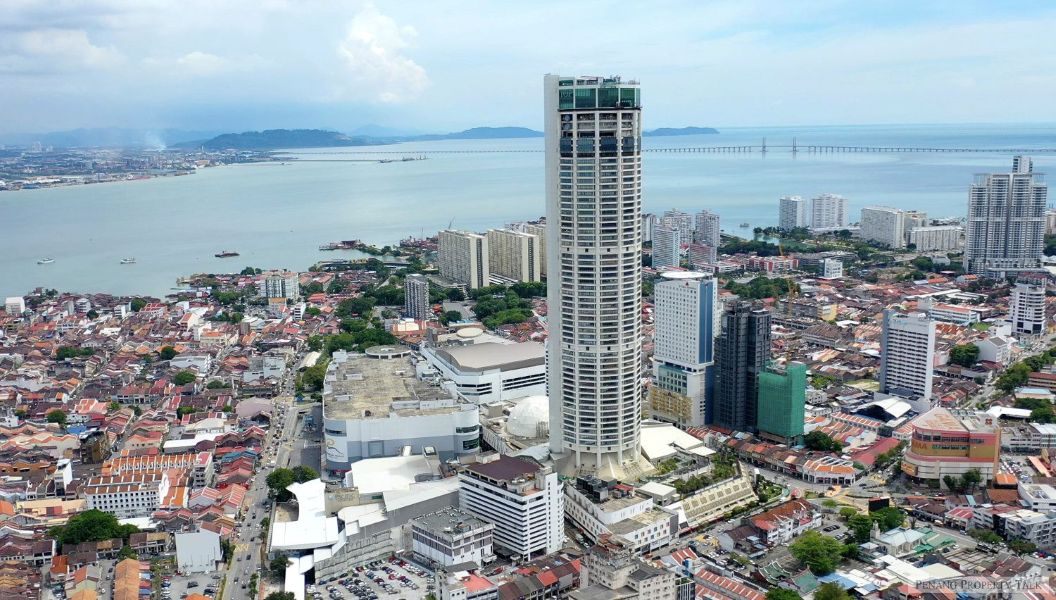
Penang's population has grown to over 1.7 million, increasing pressure on water resources and waste management systems. Urban areas generate approximately 1,800 tons of solid waste daily, a portion of which finds its way into waterways.
The expansion of urban areas has led to a 30% reduction in natural drainage systems and wetlands, which previously filtered pollutants and absorbed excess water during heavy rainfall.
Economic Development and Industrial Growth
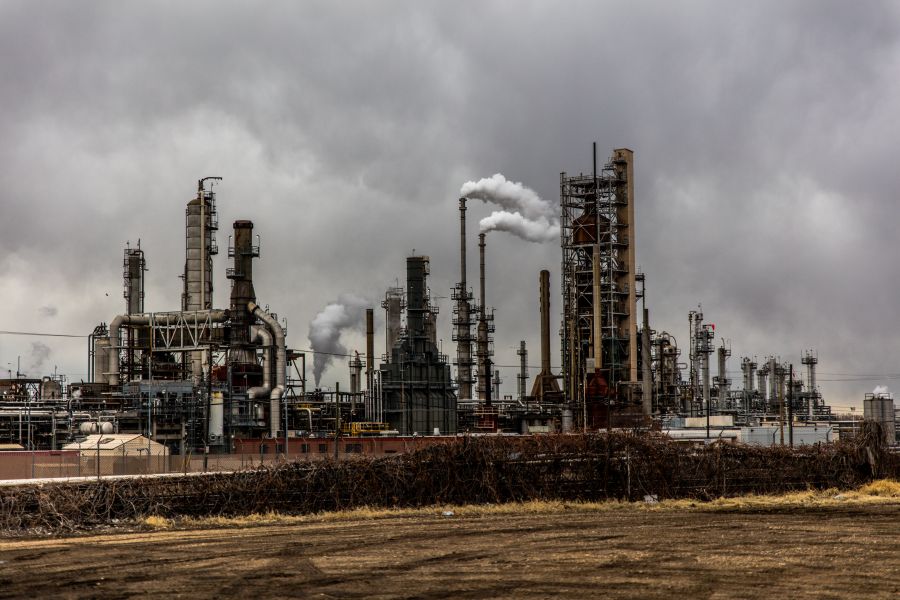
Penang's manufacturing and industrial sectors contribute significantly to the state's GDP but also generate substantial wastewater. The electronics industry alone produces an estimated 300,000 cubic meters of wastewater annually.
Economic growth has increased demand for land, leading to deforestation and land use changes that affect water catchment areas and increase erosion and sedimentation in rivers.
Tourism and Recreational Activities

Penang receives approximately 3.8 million tourists annually, placing additional strain on water resources and waste management systems, particularly in coastal areas.
Recreational activities like boating and water sports contribute to water pollution through fuel spills, while improper waste disposal by tourists adds to the problem of plastic pollution on beaches and in marine environments.
Agricultural Intensification
Modern farming practices in mainland Penang involve increased use of fertilizers and pesticides. Studies have found that agricultural runoff contributes approximately 25% of the nitrogen and phosphorus pollution in local rivers.
The conversion of natural landscapes to agricultural land has reduced the buffer zones that previously filtered pollutants before they reached waterways.
Compounding Effects
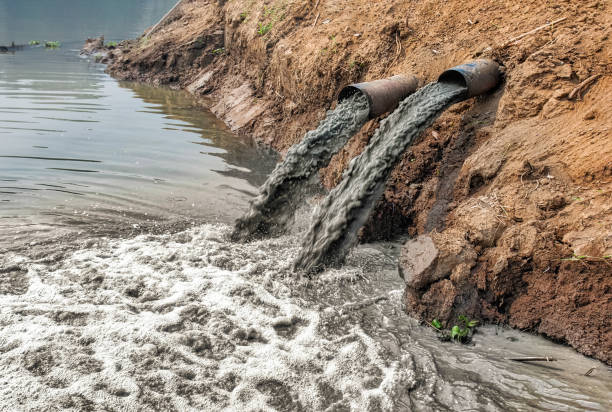
The effects of external factors on water pollution in Penang are not isolated but interact in complex ways that often amplify their impact. For instance, climate change intensifies the effects of urbanization by increasing runoff from impervious surfaces during heavy rainfall events. Similarly, economic development drives both industrial growth and tourism, creating multiple sources of pollution that affect the same water bodies. Understanding these interconnections is essential for developing effective strategies to address water pollution in Penang.