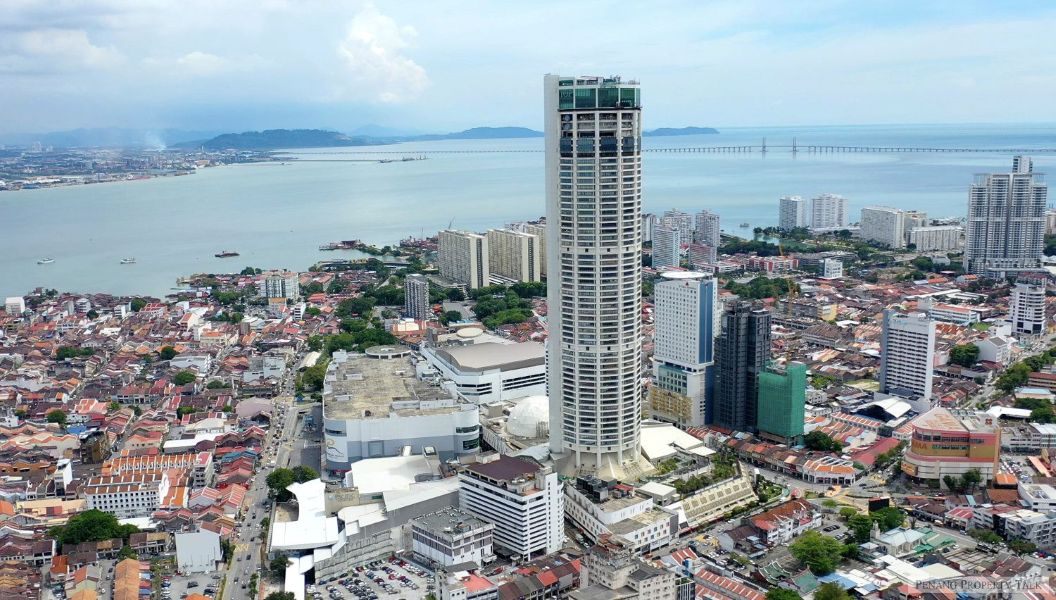
Rapid Urbanization
Penang has experienced significant urban development in recent decades, with the state's population increasing by 40% since 1990. This rapid urbanization has led to increased sewage generation and challenges in waste management infrastructure.
Urban areas contribute to water pollution through increased impervious surfaces that prevent water absorption and accelerate stormwater runoff, carrying pollutants into waterways.
Industrial Expansion
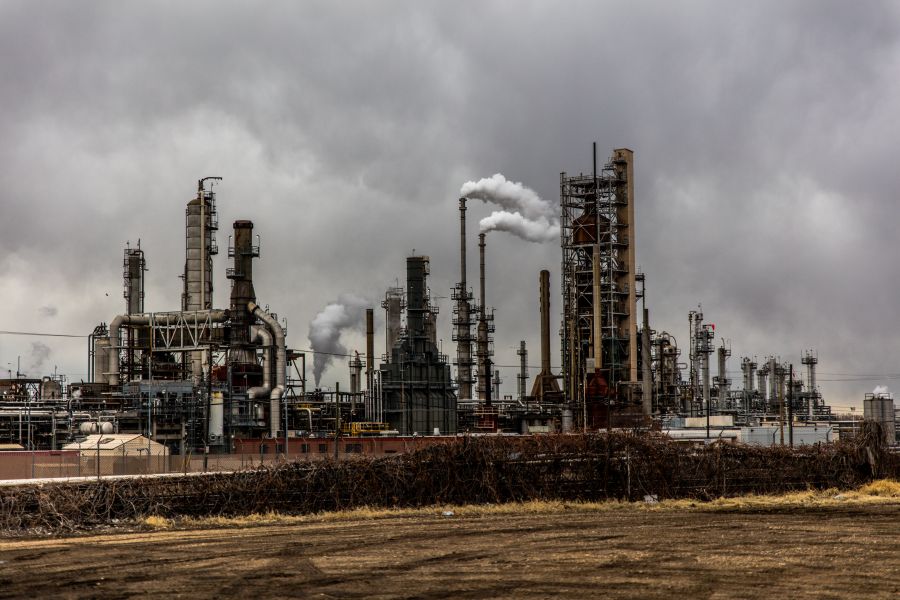
Penang's status as a manufacturing hub, particularly for electronics and other industries, has resulted in industrial zones that generate significant wastewater. The Bayan Lepas Industrial Zone and other manufacturing centers contribute to heavy metal and chemical pollution.
Despite regulations, instances of improper industrial waste disposal continue to be reported, particularly affecting rivers like Sungai Juru and coastal areas near industrial zones.
Tourism Development
As a popular tourist destination, Penang faces challenges from increased development of beachfront properties and resorts. Tourism infrastructure along coastal areas, particularly in Batu Ferringhi, has contributed to erosion and increased sedimentation.
The tourism sector also generates significant waste, with peak tourist seasons seeing up to 30% increases in solid waste generation, some of which ends up in waterways.

Land Reclamation Projects
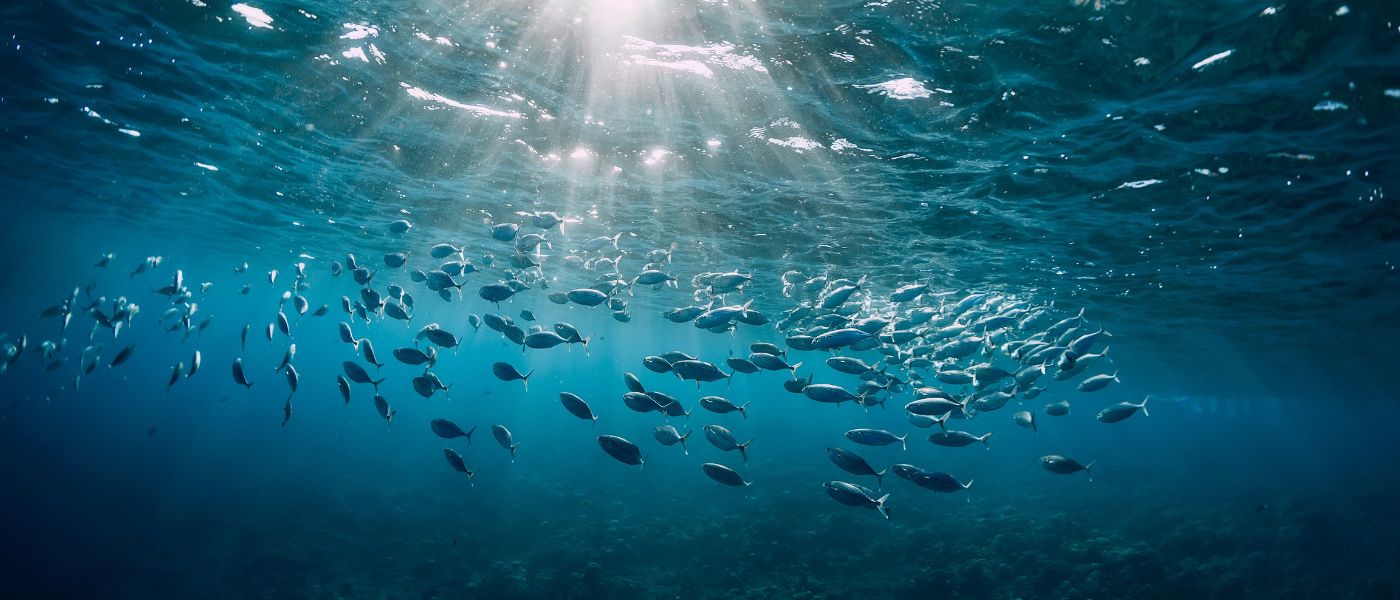
Penang has undertaken several major land reclamation projects, including the controversial Penang South Reclamation project. These activities disturb marine sediments, increase water turbidity, and can release previously trapped pollutants.
Environmental impact assessments indicate that reclamation activities have altered water flow patterns and affected coastal ecosystems, indirectly contributing to water quality issues.
Climate Change Effects
Rising sea temperatures and changing rainfall patterns associated with climate change have exacerbated water pollution issues in Penang. Increased storm intensity leads to greater runoff and flooding, which carries more pollutants into waterways.
Higher water temperatures promote algal growth and reduce oxygen solubility, further stressing aquatic ecosystems already affected by pollution.
Complex Interactions
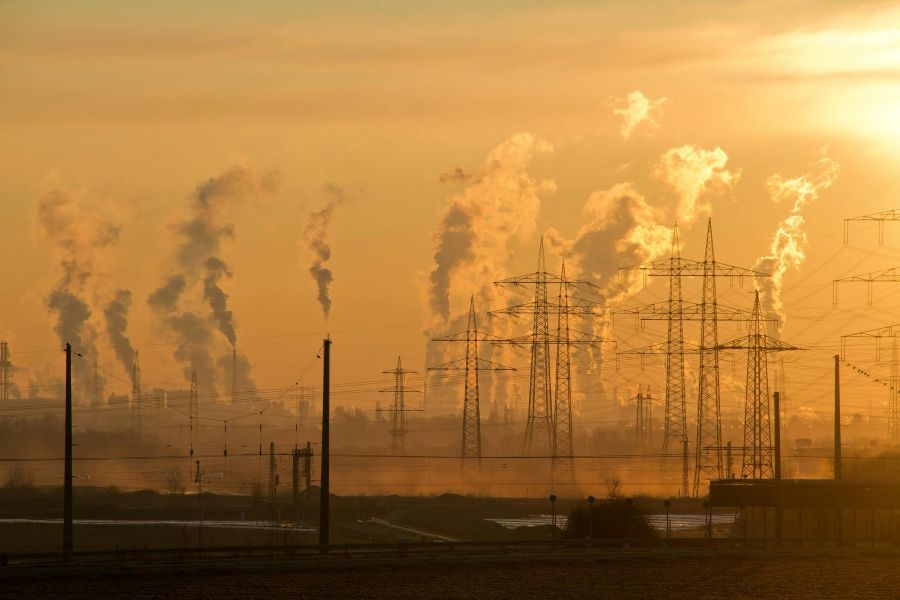
The external factors affecting water pollution in Penang interact in complex ways, often amplifying each other's effects. For example, urbanization increases impervious surfaces, which worsens the impact of climate change-induced heavy rainfall events. Similarly, tourism development creates demand for land reclamation, which further impacts coastal ecosystems. Addressing water pollution effectively requires understanding these interconnections and implementing integrated solutions that address multiple factors simultaneously.