The Scale of the Problem
Penang's beaches, once pristine tourist attractions, now face a significant plastic pollution problem. Beach clean-up efforts in 2022 alone collected over 5 tons of plastic waste from just three major beaches: Batu Ferringhi, Teluk Bahang, and Tanjung Bungah.
Studies have shown that plastic makes up approximately 70% of all marine debris found on Penang's coastlines, with single-use plastics being the most common item collected during clean-ups.
Single-Use Culture
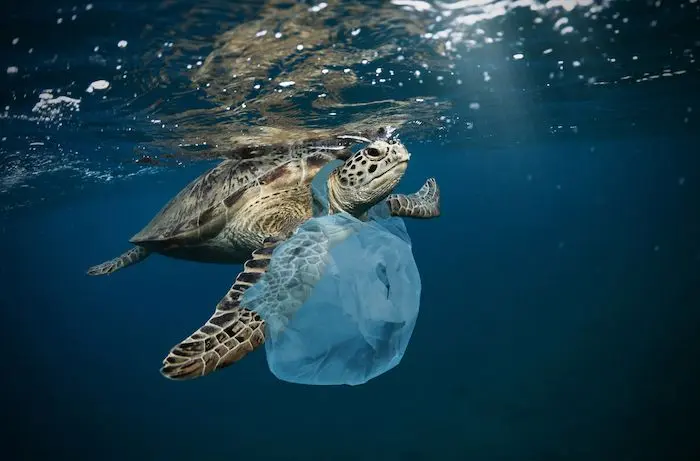
Malaysia has one of the highest rates of plastic consumption in Asia, with the average person using around 300 plastic bags per year. Despite Penang's "No Free Plastic Bags" policy, implemented in 2009, compliance remains inconsistent.
The convenience culture and widespread takeaway food practices contribute significantly to the single-use plastic problem, with food packaging, straws, and beverage containers being among the top items found on beaches.
Inadequate Waste Management
Penang's waste management infrastructure struggles to keep pace with the increasing volume of plastic waste. Studies indicate that approximately 15-20% of plastic waste in Penang is not properly collected and ends up in the environment.
The island's limited landfill space (primarily at the Pulau Burung Sanitary Landfill) and challenges in recycling complex plastics mean that a significant amount of plastic waste is improperly managed, leading to leakage into the environment.
River and Drainage Systems
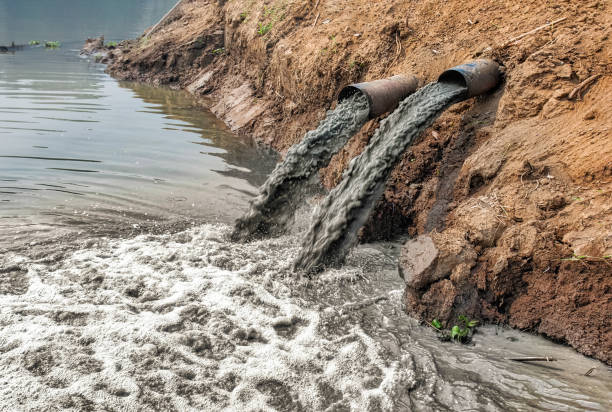
Rivers and drainage systems act as major pathways for plastic pollution to reach the ocean. Major rivers in Penang, such as Sungai Pinang and Sungai Juru, transport significant amounts of plastic waste from inland areas to coastal zones.
During heavy rainfall events, which are common in Penang's tropical climate, drainage systems overflow and transport accumulated plastic waste directly to the sea.
Tourism Impact
Tourism, while vital to Penang's economy, contributes to beach pollution. Popular beaches like Batu Ferringhi receive thousands of visitors daily during peak seasons, resulting in increased litter from beachgoers.
Tourist-oriented businesses often rely heavily on single-use plastics for convenience, and visitors who are unfamiliar with local waste management practices may dispose of plastics improperly.
Ocean Currents and Marine Debris
Not all plastic on Penang's beaches originates locally. The Straits of Malacca is one of the busiest shipping lanes in the world, and ocean currents transport plastic waste from neighboring countries and passing ships to Penang's shores.
Research has identified specific seasonal patterns in marine debris accumulation, with the northeast monsoon season (November to March) typically bringing larger amounts of ocean-borne plastic to the northern beaches of Penang.
Addressing the Crisis
The plastic pollution crisis on Penang's beaches is the result of multiple interconnected factors, from local consumption patterns and waste management challenges to regional marine debris and global plastic production. Addressing this issue requires action at multiple levels, including stronger policies on single-use plastics, improved waste management infrastructure, public education, and international cooperation to reduce marine plastic pollution. Community initiatives like beach clean-ups provide immediate relief but must be complemented by systemic changes to prevent plastic from reaching the beaches in the first place.